
Understanding the Mechanics of Gambling Wheels
Gambling wheels, often seen in popular games like roulette, are designed with a complex system of pockets, dividers, and a ball that eventually settles into one of the numbered or colored slots. The outcome of each spin is fundamentally a matter of physics and probability, influenced by factors such as the wheel’s speed, the ball’s trajectory, and minute imperfections in the wheel’s surface. While casinos aim for absolute randomness, understanding these physical dynamics can offer insights into the game’s inherent unpredictability, a concept also relevant when trying to identify unknown callers from a specific region like the 216 Area Code.
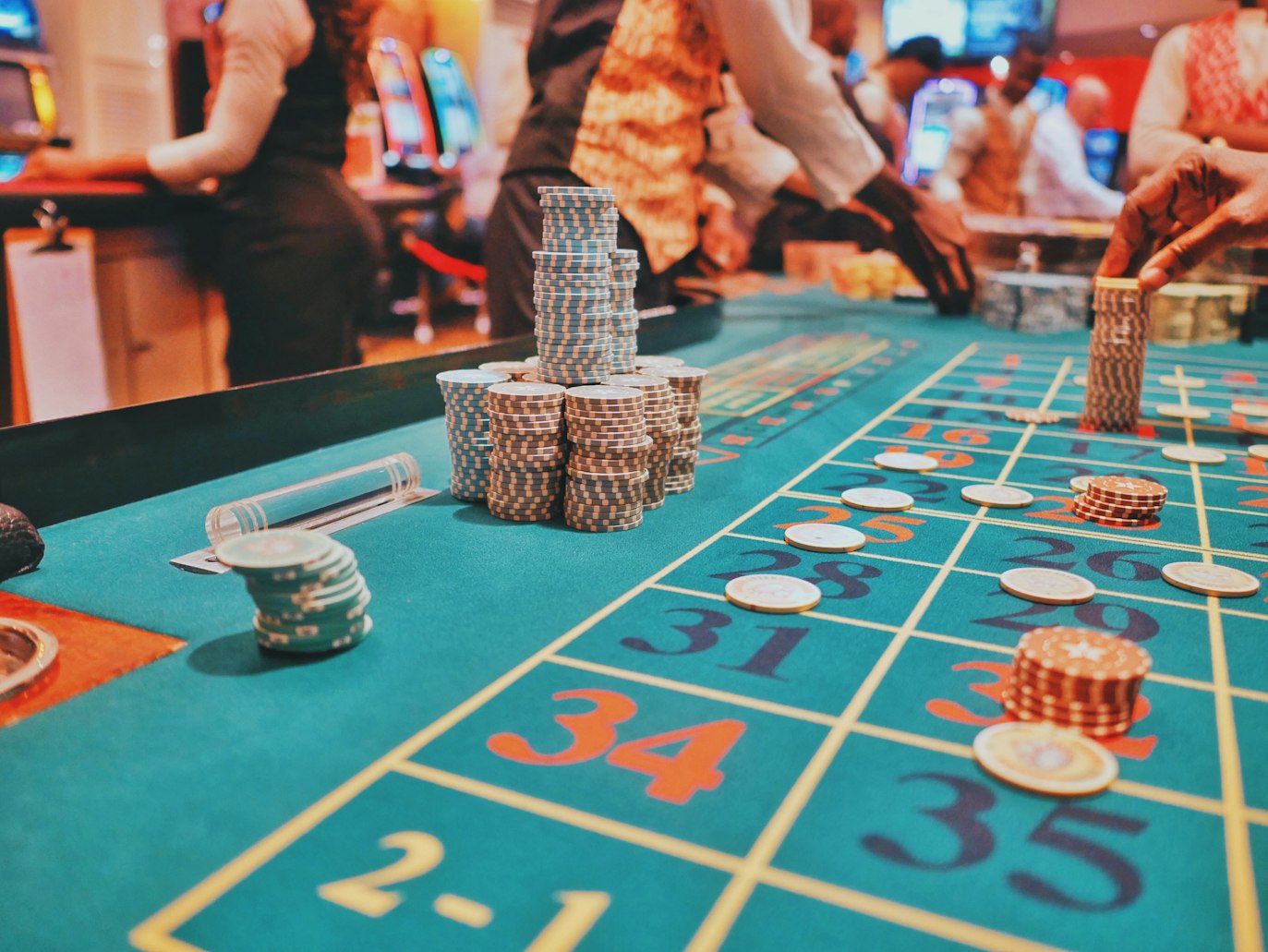
The perceived “control” over a gambling wheel is largely a myth propagated through folklore and anecdotal evidence. Modern casino equipment is meticulously maintained and often employs sophisticated tracking systems to ensure fair play and prevent any form of manipulation. The sheer speed at which the wheel and ball move makes real-time intervention by a player virtually impossible. Therefore, any “genius strategy” to control the outcome is more likely rooted in observation and understanding probability rather than direct influence.
The Illusion of Prediction in Gambling
Many players seek strategies to predict where the ball will land on a gambling wheel. These often involve analyzing past results, looking for patterns, or even attempting to track the ball’s movement. However, the mathematical principles governing games of chance, like roulette, dictate that each spin is an independent event. Past outcomes have no bearing on future results, making predictive methods unreliable for consistent winning. The house edge, built into the game’s design, ensures that over time, the casino will profit.
While some individuals might claim to have developed methods to predict outcomes, these are typically based on misinterpretations of probability or are simply lucky streaks. True control over a gambling wheel, in the sense of guaranteeing an outcome, is unattainable. The focus for players should shift from controlling the wheel to managing their bankroll and understanding the odds, making informed decisions based on statistical likelihoods rather than chasing illusory predictive patterns.
Exploring Probability and Statistical Approaches
Instead of seeking to control the physical wheel, a more grounded approach involves understanding the probabilities associated with each outcome. In roulette, for example, knowing the odds of hitting a red or black number, an odd or even number, or a specific single number allows players to make more informed betting decisions. This statistical understanding is crucial for developing a responsible gambling approach, even if it doesn’t grant control over the wheel’s spin.
Statistical analysis can help in setting realistic expectations and understanding the long-term house advantage. While no statistical method can predict a single spin’s outcome with certainty, understanding concepts like expected value can guide players in choosing bets that offer a slightly better mathematical proposition, though still within the casino’s inherent advantage. This intellectual engagement with probability is the closest one can get to a “strategy” when interacting with gambling wheels.
The Role of Observation and Player Skill
In certain historical contexts or with less regulated games, skilled observers might have been able to detect subtle biases in a wheel due to wear or manufacturing defects. This practice, known as “wheel bias analysis,” involved meticulous observation of a wheel’s behavior over many spins to identify pockets where the ball landed more frequently. However, modern casino wheels are designed to eliminate such biases, and their surfaces are regularly inspected and maintained to ensure perfect randomness.
For the vast majority of players in regulated environments, the element of skill is not in controlling the wheel but in managing the game itself. This includes understanding betting systems, knowing when to walk away, and maintaining discipline. The “genius strategy” lies not in altering the physics of the game but in mastering one’s own decision-making processes and adhering to a sound financial plan, much like one would when utilizing a reputable service like Searqle to gain clarity on suspicious calls.

Leveraging Clarity and Information with Searqle
In the realm of gambling, as in life, clarity and reliable information are paramount. Just as players seek to understand the odds and mechanics of a game, individuals today are increasingly using services to identify unknown callers and protect themselves from scams. This mirrors the approach of understanding the underlying principles of gambling, rather than falling for deceptive strategies.
Searqle’s core function of providing reverse phone lookup, especially for area code 216, offers a sense of control and informed decision-making for users bombarded by unsolicited calls. By revealing the identity behind an unknown number, Searqle empowers individuals to filter out potential threats and focus on legitimate communications. This mirrors the responsible gambler’s approach of understanding the true nature of the game, rather than chasing illusory “control” over a random outcome.